Brand kits

The test is whether the right file is found on a Friday.

Not whether the document is thorough. A kit is the identity turned into something your own team can use under time pressure, without asking anyone and without opening forty pages first.

Why manuals fail

Most brand manuals are never opened twice.

They are opened once, admired, saved somewhere sensible and never consulted again. Not because nobody cares, but because when the logo is actually needed it is four in the afternoon, a printer is waiting, and reading forty pages is not one of the available options.

So somebody takes whichever file is on the desktop. It is the wrong format, or last year’s version, or the one with a white box behind it. Nobody was careless — the system simply asked for more time than the situation had, and it will ask for it again next month.

A kit is built the other way round: for the person in a hurry. Files named so the right one is obvious, templates that already contain the decisions, and a document short enough that the part you need is found in under a minute. The decisions themselves live in the identity; the kit is what makes them survive contact with a normal working week.

What your team actually does

Six jobs, and what is already prepared.

Every one of these will happen in your company this year. The kit is judged by how much faster each of them gets.

Send the logo to a printer
The right file in the format they asked for, named so it is found without opening five of them first. Vector, one colour and inverted all sitting in the same place — see logo design for why there are so many.

Make a flyer or an announcement
A template with the grid, the type and the colours already set. Nobody has to remember which green it was or how much space the mark needs around it.

Put the logo on a photograph
The version with a protected area, plus a short note on which kinds of background it must not go on. That decision was made once, calmly, rather than five times under pressure.

Set up an email signature
A ready block with the mark at the right size, a type stack that survives Outlook, and no image that gets stripped somewhere between you and the recipient.

Brief an agency or a supplier
One folder to send, containing everything they need and nothing that confuses them. No follow-up email three days later with the file that was missing.

Bring somebody new into the team
A short document that explains the decisions rather than only listing them, so the next person makes them the same way instead of inventing their own.

If the kit does not make those six faster, the kit is decoration. That is the only measure we apply to it, and it is the reason ours are shorter than most.

What you receive
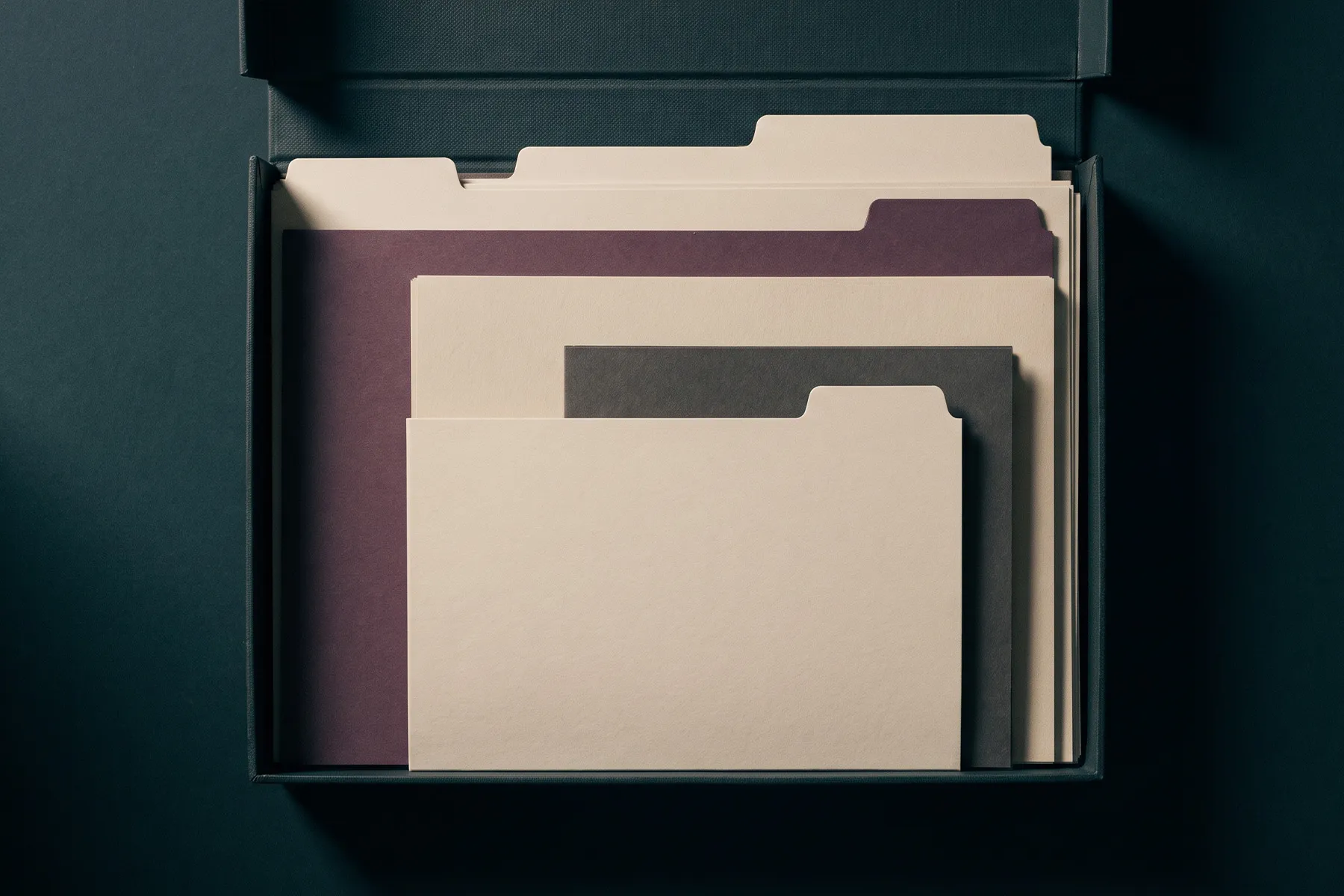
One folder, organised for speed.


  • Logo files, sorted by situationNamed for what they are for rather than for the software that made them. Print, screen, one colour, inverted, favicon.
  • Colour and type on one sheetEvery value on a single page that can be printed and pinned up. The long version exists; this is the one people use.
  • Templates for what you actually makeNot a generic set. The formats your company produces, with the decisions already in them.
  • An email signature blockReady to paste, tested in the mail programs your team really uses rather than only in the one we use.
  • Do and do not, with examplesSix pairs, shown rather than described. Most misuse is honest confusion and this is what clears it up.
  • Editable source filesYours to keep. If you ever work with somebody else, they carry on rather than start again.

The naming is the part that decides whether any of this works. A folder of correctly produced files that nobody can navigate is the same as no folder at all — which is why we name them for the moment they are needed rather than for how they were made.

Do you already have guidelines?

Send them over. Often the identity underneath is perfectly good and only the kit is missing — which is a much smaller job than it sounds, and a much cheaper one than starting the whole thing again.